A Complete Guide to Syringe Sizes in Medical Practice

Syringes are essential medical devices used for administering medications, withdrawing fluids, and performing precise laboratory procedures. Understanding syringe sizes is crucial for healthcare professionals to ensure accurate dosing, safety, and efficiency in patient care.
What Are Syringe Sizes?
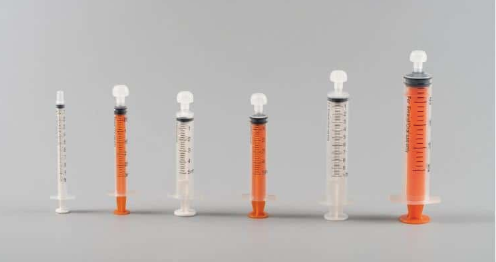
Syringe sizes refer to the volume capacity of a syringe, usually measured in milliliters (mL). The size determines how much fluid can be drawn or administered and affects the precision and suitability of the syringe for different medical procedures.
Common Syringe Sizes
- 1 mL: Used for insulin and other precise small-volume injections.
- 2–5 mL: Suitable for most intramuscular or subcutaneous injections.
- 10 mL: Often used for intravenous medications or fluid administration.
- 20–50 mL: Used for irrigation, feeding tube administration, or larger volume medications.
- 60 mL: Typically used for flushing catheters or large-volume irrigation.
Healthcare professionals can refer to syringe sizes for detailed specifications and recommendations.
Types of Syringes Based on Size
Small-Volume Syringes
Small-volume syringes (1–5 mL) are used for precise medication dosing and intradermal injections.
Medium-Volume Syringes
Medium-volume syringes (10–20 mL) are commonly used for intramuscular injections, IV medications, and lab applications.
Large-Volume Syringes
Large-volume syringes (30–60 mL) are used for irrigation, enteral feeding, and flushing catheters.
Applications of Syringe Sizes
- Medication Administration: Accurate dosing requires the correct syringe size.
- Fluid Withdrawal: Blood draws or sample collection often need specific syringe volumes.
- Irrigation: Larger syringes are used for cleaning wounds, catheters, or medical devices.
- Enteral Feeding: Delivering nutrition through feeding tubes with larger-volume syringes.
- Laboratory Use: Precise measurement of reagents in research or testing.
See also: A Complete Guide to Syringe and Its Uses in Healthcare
Advantages of Choosing the Correct Syringe Size
- Accuracy: Proper size ensures correct medication dosage.
- Safety: Reduces risk of over- or under-dosing.
- Efficiency: Matches syringe capacity to the procedure, reducing waste.
- Versatility: Different sizes accommodate a wide range of clinical applications.
Tips for Handling Syringes
- Inspect syringes for damage or contamination before use.
- Use aseptic technique while drawing and administering fluids.
- Select the syringe size appropriate for the medication volume and procedure.
- Avoid overfilling the syringe to maintain accuracy.
- Dispose of single-use syringes properly according to medical guidelines.
Troubleshooting Common Issues
- Incorrect Dosage: Choose the correct syringe size and check volume markings.
- Clogged Syringe: Ensure needles and syringes are compatible and free from obstructions.
- Air Bubbles: Prime the syringe and remove air before injection or administration.
- Contamination: Use sterile syringes and needles for each patient.
FAQs About Syringe Sizes
1. Why are syringe sizes important in healthcare?
Syringe sizes determine the volume of fluid administered or withdrawn and are essential for accurate dosing and patient safety.
2. How do I choose the right syringe size?
Select a syringe that matches the volume of medication or fluid required for the procedure while ensuring accuracy.
3. Can the same syringe size be used for all medications?
No, different medications and procedures require specific syringe sizes to ensure proper dosage and administration.
Conclusion
Understanding syringe sizes is critical for accurate, safe, and effective medical practice. Choosing the correct syringe volume ensures proper medication dosing, efficient fluid administration, and overall patient safety. For more detailed guidance, healthcare professionals can consult syringe sizes resources.