A Complete Guide to Syringe and Its Uses in Healthcare

Syringes are vital medical instruments used for administering medications, withdrawing fluids, and performing various clinical procedures. Understanding the syringe and its components is essential for healthcare professionals to ensure accurate dosing and patient safety.
What Is a Syringe?
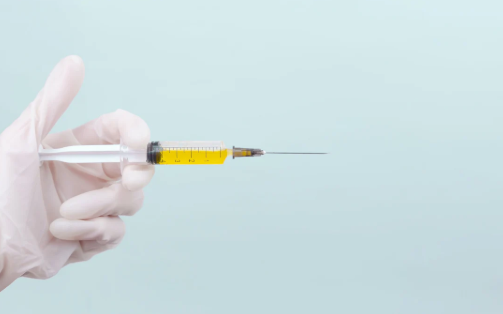
A syringe is a device consisting of a barrel, plunger, and a needle used to inject or withdraw fluids. Syringes come in various sizes and types, depending on the application, including insulin delivery, vaccinations, intravenous therapy, and laboratory procedures.
Key Components of a Syringe
- Barrel: Holds the fluid or medication to be administered.
- Plunger: Used to draw in or expel the fluid.
- Needle: Attaches to the syringe for injection or fluid withdrawal.
- Hub: Connects the needle to the syringe securely.
Healthcare professionals can consult syringe resources for detailed information about different types and sizes.
Types of Syringes
Standard Syringes
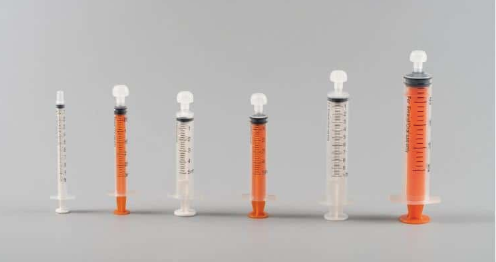
Used for general injections, these syringes are available in various volumes, typically ranging from 1 mL to 60 mL.
Insulin Syringes
Designed specifically for precise insulin dosing, these syringes have fine needles and small-volume barrels.
Tuberculin Syringes
Used for small-volume injections, especially in skin testing and pediatric patients.
See also: The Role of AI in Healthcare Diagnostics
Luer Lock Syringes
These syringes have a twist-on mechanism to secure the needle, reducing the risk of leakage.
Catheter Tip Syringes
Used for irrigation or feeding tube administration, featuring a longer, tapered tip.
Applications of Syringes
- Medication Administration: Injecting medications such as vaccines, antibiotics, or pain relief drugs.
- Fluid Withdrawal: Drawing blood or other biological samples for testing.
- Irrigation: Flushing wounds, catheters, or medical devices.
- Enteral Feeding: Delivering nutrition through feeding tubes.
- Laboratory Use: Measuring and transferring fluids accurately in research and diagnostics.
Benefits of Understanding Syringes
- Accuracy: Ensures precise medication dosing.
- Safety: Reduces risk of contamination or dosing errors.
- Versatility: Multiple types and sizes meet various clinical needs.
- Efficiency: Knowledge of proper usage improves procedural speed and patient care.
Handling and Maintenance
- Inspect syringes for damage or contamination before use.
- Use aseptic technique while drawing and administering fluids.
- Select the correct syringe type and size for the procedure.
- Remove air bubbles before injection.
- Dispose of single-use syringes according to medical waste protocols.
Troubleshooting Common Issues
- Incorrect Dosage: Verify syringe markings and select the proper size.
- Air Bubbles: Prime the syringe to eliminate air before administration.
- Clogged Needle: Ensure compatibility between syringe and needle and check for obstructions.
- Contamination: Use sterile syringes and replace compromised equipment immediately.
FAQs About Syringes
1. What is a syringe used for?
A syringe is used to inject medications, withdraw fluids, irrigate wounds, or administer nutrients and vaccines.
2. How do I choose the right syringe?
Select the syringe based on volume requirements, medication type, and the procedure being performed.
3. What are the main parts of a syringe?
A syringe consists of a barrel, plunger, needle, and hub. Some types may have specialized tips or Luer locks.
Conclusion
The syringe is a fundamental tool in healthcare, crucial for medication administration, fluid management, and laboratory procedures. Understanding its types, uses, and proper handling ensures safe and effective patient care. For detailed guidance, professionals can consult syringe resources.